Pressed powder is one of the most essential makeup products for creating a smooth, long-lasting complexion. Whether you want to control shine, set your foundation, touch up your makeup throughout the day, or achieve a soft matte finish, it offers convenience and versatility that fits every makeup routine. Unlike loose powder, pressed powder comes in a compact, making it easy to carry and perfect for quick touch-ups wherever you go.
If you’ve ever wondered whether it is the right choice for your skin type or how it compares to loose powder, this complete guide covers everything you need to know trending topics blog
What Is Pressed Powder?
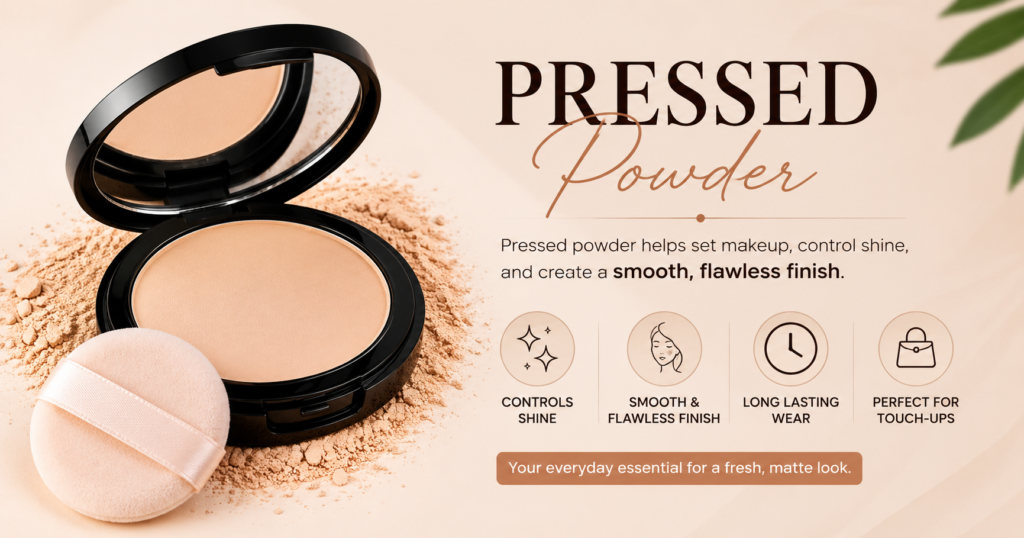
It is a finely milled face powder that has been compressed into a compact. It is designed to reduce excess oil, set liquid or cream makeup, smooth skin texture, and provide additional coverage when needed.
Available in both translucent and tinted formulas, it works well for everyday makeup, professional looks, and quick on-the-go touch-ups. Many makeup lovers keep it compact in their handbag because it’s clean, portable, and easy to apply.
Benefits of Pressed Powder
There are many reasons why it remains a staple in every makeup collection.
- Controls excess oil and unwanted shine
- Sets foundation and concealer for longer wear
- Creates a smooth, even complexion
- Helps blur pores and fine lines
- Adds light to medium buildable coverage
- Ideal for quick touch-ups throughout the day
- Easy to travel with thanks to compact packaging
- Suitable for beginners and professional makeup artists alike
Pressed Powder vs Loose Powder
Although both products help set makeup, they serve slightly different purposes.
| Pressed Powder | Loose Powder |
|---|---|
| Compact and travel-friendly | Comes in a loose jar |
| Offers buildable coverage | Usually sheer coverage |
| Best for touch-ups | Best for setting makeup at home |
| Less messy | Can be messy during application |
| Great for oily skin touch-ups | Excellent for baking and setting foundation |
If you need a product for daily use and portability, pressed powder is often the better option. If your goal is baking or achieving an ultra-light finish, loose powder may work better.
Who Should Use Pressed Powder?
It works well for nearly every skin type.
Oily Skin
People with oily skin benefit from pressed powder because it absorbs excess sebum, reduces shine, and keeps makeup looking fresh throughout the day.
Combination Skin
It helps mattify oily areas like the T-zone while maintaining a natural finish on the rest of the face.
Normal Skin
Normal skin can use it to extend makeup wear without making the complexion appear heavy.
Dry Skin
Those with dry skin should apply it sparingly and always moisturize beforehand to prevent the powder from clinging to dry patches.
How to Apply Pressed Powder
Using it correctly makes a significant difference in your makeup finish.
Step 1: Prep Your Skin
Begin with clean, moisturized skin and apply primer if desired.
Step 2: Apply Foundation
Use your preferred liquid, cream, or stick foundation before applying it.
Step 3: Conceal Imperfections
Blend concealer under the eyes and over blemishes.
Step 4: Apply Pressed Powder
Using a fluffy brush or powder puff, gently press the powder onto your face instead of dragging it across the skin. Focus on areas that become oily first.
Step 5: Blend Evenly
Blend the edges to avoid harsh lines and achieve a natural finish.
Best Tools for Applying Pressed Powder
The right makeup tools improve the final result.
- Powder brush for lightweight coverage
- Powder puff for maximum oil control
- Makeup sponge for targeted application
- Kabuki brush for fuller coverage
Keeping your application tools clean helps it perform better while maintaining healthy skin.
Can Pressed Powder Be Used Without Foundation?
Yes.
It can be worn alone for a lightweight makeup look. Tinted pressed powders even out skin tone while minimizing shine, making them ideal for minimal makeup days.
If you prefer natural makeup, simply apply moisturizer, sunscreen, and pressed powder for a fresh everyday finish.
Does Pressed Powder Help Makeup Last Longer?
Absolutely.
It locks cream and liquid products into place, reducing transfer, fading, and unwanted shine. It also minimizes creasing around the nose, forehead, and chin while extending the longevity of your foundation.
Is Pressed Powder Good for Oily Skin?
It is considered one of the best makeup products for oily skin.
Its oil-absorbing properties help maintain a matte complexion without disturbing foundation underneath. Many people use it for midday touch-ups because it refreshes makeup instantly.
Common Mistakes When Using Pressed Powder
Avoid these mistakes for a flawless finish.
- Applying too much product
- Skipping moisturizer before application
- Using dirty brushes or puffs
- Layering excessive powder throughout the day
- Rubbing instead of pressing the powder into the skin
- Choosing the wrong shade for your complexion
Pressed Powder vs Foundation Powder
Many people confuse it with powder foundation.
It is mainly used to set makeup, reduce shine, and provide light coverage.
Powder foundation contains more pigment and is designed to replace liquid foundation, offering medium to full coverage.
Knowing the difference helps you choose the right product for your makeup routine.
How to Prevent Pressed Powder From Looking Cakey
To keep your makeup looking natural:
- Hydrate your skin before makeup.
- Use thin layers instead of heavy application.
- Press powder into the skin rather than sweeping aggressively.
- Blot excess oil before reapplying during the day.
- Finish with a setting spray for a skin-like appearance.
Build the Perfect Makeup Routine
It works beautifully with other makeup essentials. Start with foundation and concealer, then lock everything in place using it. Add dimension using face powder for seamless blending, enhance your cheeks with blusher powder blush, define your eyes using a makeup palette makeup, and complete your eye look with high-quality eyeshadow brushes for smooth, professional application.
Combining these products creates a polished makeup look that lasts from morning until night.
Frequently Asked Questions
Is pressed powder better than loose powder?
Neither is universally better. It is ideal for portability, touch-ups, and buildable coverage, while loose powder is better suited for setting makeup at home and baking techniques.
Can I use pressed powder every day?
Yes. it is safe for daily use when applied on properly moisturized skin.
Does pressed powder clog pores?
Most modern pressed powders are formulated to be lightweight. Removing makeup thoroughly at the end of the day helps prevent clogged pores.
Should pressed powder match my skin tone?
Tinted pressed powders should closely match your complexion, while translucent pressed powders work across multiple skin tones.
Can pressed powder replace foundation?
Some highly pigmented it can provide enough coverage for everyday wear, but traditional pressed powder is primarily designed to set makeup rather than replace foundation.
Final Thoughts
It remains one of the most versatile products in any makeup collection. It controls shine, extends makeup wear, smooths skin texture, and provides convenient touch-ups throughout the day. Whether you’re creating a natural everyday look or full glam, it helps deliver a polished, long-lasting finish with minimal effort.
When paired with quality face powder, blusher powder blush, a versatile makeup palette makeup, and professional eyeshadow brushes, it becomes the foundation of a flawless beauty routine that looks fresh all day long
No Responses