
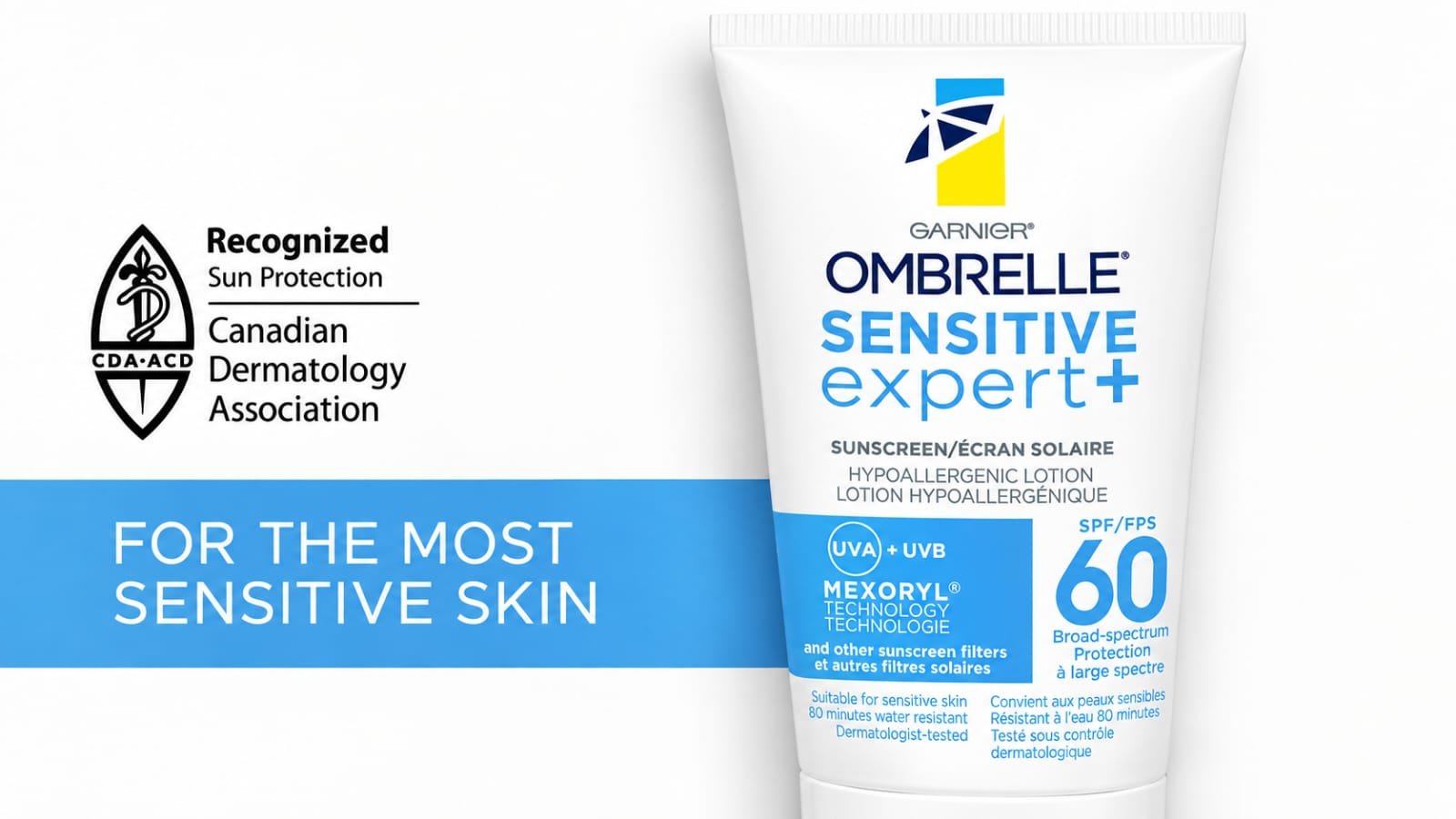
Finding the right sunscreen for sensitive skin can be challenging, especially when your skin is prone to redness, dryness, itching, burning, or irritation. A sunscreen should protect your skin from harmful UVA and UVB rays without making existing sensitivity worse. The right formula, proper application, and a simple skincare routine can make daily sun protection much more comfortable.
Sensitive skin can react to fragrance, harsh ingredients, certain preservatives, or even changes in weather. That is why choosing a gentle sunscreen is only one part of a good skincare routine. It is also important to understand how to soothe irritated sensitive skin when your skin becomes uncomfortable after using a new product.
In this guide, you will learn how to choose sunscreen for sensitive skin, which ingredients to look for, what ingredients may cause problems, how to apply sunscreen correctly, and how to care for irritated skin.
What Is Sunscreen for Sensitive Skin?
Sunscreen for sensitive skin is generally formulated to provide UV protection while minimizing ingredients and formulations that may trigger discomfort for easily irritated skin. However, sensitive skin is different for everyone, so a product that works well for one person may not work for another.
When shopping for sunscreen, look for:
- Broad-spectrum UVA and UVB protection
- SPF 30 or higher
- Fragrance-free formulas if fragrance bothers your skin
- Gentle and moisturizing ingredients
- Non-comedogenic options if you have acne-prone skin
- Mineral UV filters such as zinc oxide or titanium dioxide if you prefer mineral sunscreen
- A texture that feels comfortable enough for daily use
The most important thing is to find a sunscreen that you can apply generously and consistently without causing irritation.
Why Is Sun Protection Important for Sensitive Skin?
Sun exposure can cause sunburn and can contribute to premature skin aging and uneven pigmentation. If your skin is already irritated, additional exposure to sunlight can make it feel more uncomfortable.
Using sunscreen together with other sun-protection habits can help reduce unnecessary UV exposure. These habits include seeking shade, wearing protective clothing, and using a wide-brimmed hat and sunglasses when appropriate.
Daily sunscreen is particularly useful when your skin is exposed to sunlight during outdoor activities. Remember that sunscreen works best as part of a complete sun-protection routine rather than as the only protective measure.
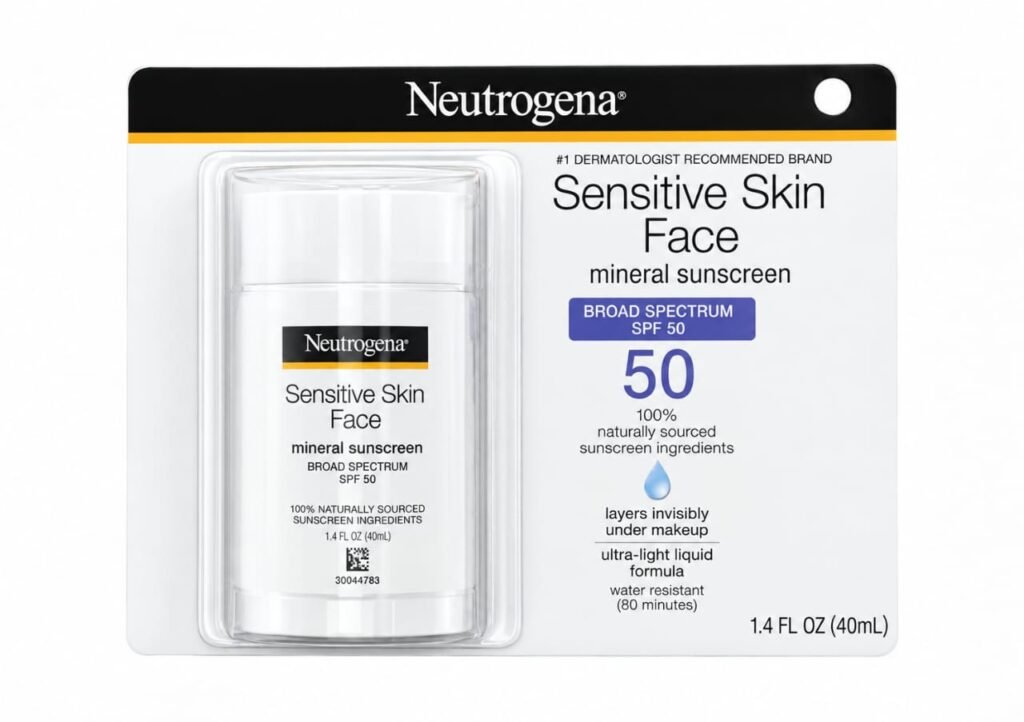
How to Choose the Best Sunscreen for Sensitive Skin
There is no single sunscreen for sensitive skin that is perfect for every sensitive-skin type. Instead, focus on the characteristics that are most likely to suit your individual needs.
1. Choose Broad-Spectrum Protection
Look for a sunscreen labeled broad spectrum. This indicates protection against both UVA and UVB radiation.
UVA exposure is associated with skin aging and pigmentation, while UVB is a major cause of sunburn. Broad-spectrum protection is therefore an important feature when selecting everyday sunscreen.
2. Consider SPF 30 or Higher
For everyday use, choose a sunscreen with an SPF of at least 30. If you spend extended periods outdoors, additional sun-protection measures become especially important.
Remember that a higher SPF does not mean you can apply less sunscreen or skip reapplication.
3. Look for Fragrance-Free Options
Fragrance can be irritating for some people with sensitive skin. If scented skincare products frequently cause redness or discomfort, a fragrance-free sunscreen may be a better option.
“Fragrance-free” is different from simply smelling mild or having a pleasant scent, so check the product label carefully.
4. Consider Mineral Sunscreen
Mineral sunscreens commonly use zinc oxide and/or titanium dioxide as UV filters. These ingredients are often considered when choosing sunscreen for sensitive or reactive skin.
Mineral formulas can sometimes leave a white cast, particularly on darker skin tones, so look for a formulation that blends comfortably with your complexion.
5. Choose a Moisturizing Formula for Dry Skin
If your sensitive skin is also dry, a sunscreen for sensitive skin with moisturizing ingredients may feel more comfortable.
Common skincare ingredients include:
- Glycerin
- Ceramides
- Hyaluronic acid
- Squalane
- Panthenol
These ingredients can help support a comfortable skincare routine, although individual tolerance varies.
Ingredients to Look for in Sensitive Skin Sunscreen
Understanding sunscreen ingredients can make product selection easier.
Zinc Oxide
Zinc oxide is a mineral UV filter used in many broad-spectrum sunscreens. It can be a useful choice for people who prefer mineral-based sun protection.
Titanium Dioxide
Titanium dioxide is another mineral UV filter commonly found in sunscreen products. It is often combined with other filters to provide broad-spectrum protection.
Ceramides
Ceramides are lipids naturally found in the skin. They are commonly included in moisturizers and skincare products designed to support the skin barrier.
Glycerin
Glycerin is a humectant that helps attract water and is widely used in moisturizing skincare products.
Hyaluronic Acid
Hyaluronic acid is another hydrating ingredient commonly found in products formulated for dry skin. It can make a sunscreen for sensitive skin feel more moisturizing and comfortable.
Ingredients That May Irritate Sensitive Skin
Sensitive skin does not automatically mean that you must avoid a particular ingredient. However, if a specific ingredient repeatedly causes burning, redness, or itching, it may be worth avoiding that product.
Depending on your individual sensitivity, you may want to be cautious with:
- Strong fragrance
- Certain essential oils
- Harsh exfoliating ingredients
- Products with a high potential for drying
- Skincare products that cause noticeable stinging or burning
Rather than changing several products at once, introduce new skincare products individually. This makes it easier to identify what may be causing a reaction.
How to Soothe Irritated Sensitive Skin
Understanding how to soothe irritated sensitive skin is just as important as choosing the right sunscreen. If your skin becomes irritated, the best approach is usually to simplify your routine and avoid adding more potentially irritating products.
Step 1: Stop the Product Causing Irritation
If a particular sunscreen or skincare product causes obvious discomfort, stop using it until you understand what is happening. Do not continue applying a product simply because it is labeled for sensitive skin.
Step 2: Keep Your Cleanser Gentle
Use a mild cleanser and lukewarm water. Avoid scrubbing, rough washcloths, or very hot water because these can make already uncomfortable skin feel worse.
Step 3: Apply a Simple Moisturizer
A gentle moisturizer can help keep the skin comfortable. Look for a simple formula without unnecessary fragrance or ingredients that you already know irritate your skin.
Step 4: Pause Strong Skincare Actives
When your skin is irritated, consider temporarily avoiding products that commonly cause stinging, such as strong exfoliating acids or aggressive scrubs.
Once your skin feels comfortable again, you can gradually return to your normal routine if appropriate.
Step 5: Reduce Sun Exposure
Irritated skin should not be unnecessarily exposed to intense sunlight. Use shade, protective clothing, and a suitable sunscreen for sensitive skin once your skin can tolerate it.
Step 6: Introduce Products Slowly
When trying a new sunscreen or skincare product, introduce it gradually. A small-area patch test can help you determine whether your skin tolerates a product before applying it more widely.
If you develop significant swelling, blistering, severe pain, difficulty breathing, or a rapidly worsening reaction, seek prompt medical attention.
Mineral vs. Chemical Sunscreen for Sensitive Skin
One common question is whether mineral or chemical sunscreen is better for sensitive skin.
Mineral sunscreens generally use zinc oxide or titanium dioxide as UV filters. Some people with sensitive skin prefer these formulas because they find them more comfortable.
Chemical sunscreens use organic UV filters that absorb UV radiation. Many people with sensitive skin can use them without problems, while others may experience irritation with particular formulations.
Therefore, the choice should depend on your personal skin tolerance and the overall formulation rather than simply choosing a product based on its category.
Sunscreen for Sensitive and Acne-Prone Skin
If you have sensitive and acne-prone skin, consider a non-comedogenic sunscreen. This type of product is designed to be less likely to clog pores.
Lightweight lotions, fluids, and gel-based formulas can be comfortable for people who dislike heavy skincare products. However, a lightweight texture is not automatically better for everyone.
When selecting sunscreen for acne-prone sensitive skin, consider:
- SPF 30 or higher
- Broad-spectrum protection
- Non-comedogenic labeling
- Fragrance-free formulation if needed
- A lightweight texture
- Ingredients your skin already tolerates
Sunscreen for Dry and Sensitive Skin
Dry sensitive skin needs both sun protection and a comfortable moisturizing routine. Look for sunscreen formulas that contain hydrating ingredients such as glycerin, ceramides, or hyaluronic acid if you tolerate them.
You can also apply a gentle moisturizer underneath sunscreen for sensitive skin if your skin needs additional hydration. Allow your skincare products to settle before applying sunscreen so the final layer feels comfortable.
Avoid using too many products simply because your skin is dry. A simple routine can often be easier to maintain and troubleshoot.
How to Apply Sunscreen Correctly
Even the best sunscreen for sensitive skin will not provide its intended protection if you do not use enough or fail to reapply it when needed.
Follow these basic tips:
- Apply sunscreen generously to exposed skin.
- Apply it before going outdoors according to the product’s directions.
- Cover your face, neck, ears, and other exposed areas.
- Do not forget commonly missed areas such as the hairline.
- Reapply according to the product directions, especially after swimming, sweating, or towel drying.
- Use shade and protective clothing when spending extended time outdoors.
- Reapply even if the sunscreen feels lightweight or invisible on the skin.
Check the product label for specific instructions because application and reapplication directions can vary.
Common Sunscreen Mistakes to Avoid
Small mistakes can reduce the effectiveness of your sun-protection routine.
Using Too Little Sunscreen
Applying a thin layer may not provide the protection indicated on the label. Use the amount recommended for the product and apply it evenly.
Forgetting Your Neck and Ears
People often focus only on their face and forget other exposed areas. Include the neck and ears when applying sunscreen.
Using Expired Sunscreen
Check the product’s expiration information and storage instructions. Replace sunscreen when it has expired or when the product has changed noticeably in texture, smell, or appearance.
Skipping Reapplication
Outdoor activities, swimming, sweating, and towel drying can remove sunscreen. Follow the product’s instructions for reapplication.
Trying Too Many New Products
If your skin is already sensitive, introducing multiple new products at once makes it difficult to identify which product caused irritation. Introduce products one at a time whenever possible.
Simple Skincare Routine for Sensitive Skin
A simple routine can make it easier to protect sensitive skin without overwhelming it.
Morning
- Gentle cleanser, if needed
- Moisturizer if your skin requires it
- Sunscreen for sensitive skin
- Additional sun protection such as a hat or shade when appropriate
Evening
- Gentle cleanser
- Simple moisturizer
- Other skincare products only if your skin tolerates them
If your skin is irritated, keep the routine even simpler and focus on gentle cleansing, moisturizing, and avoiding known triggers.
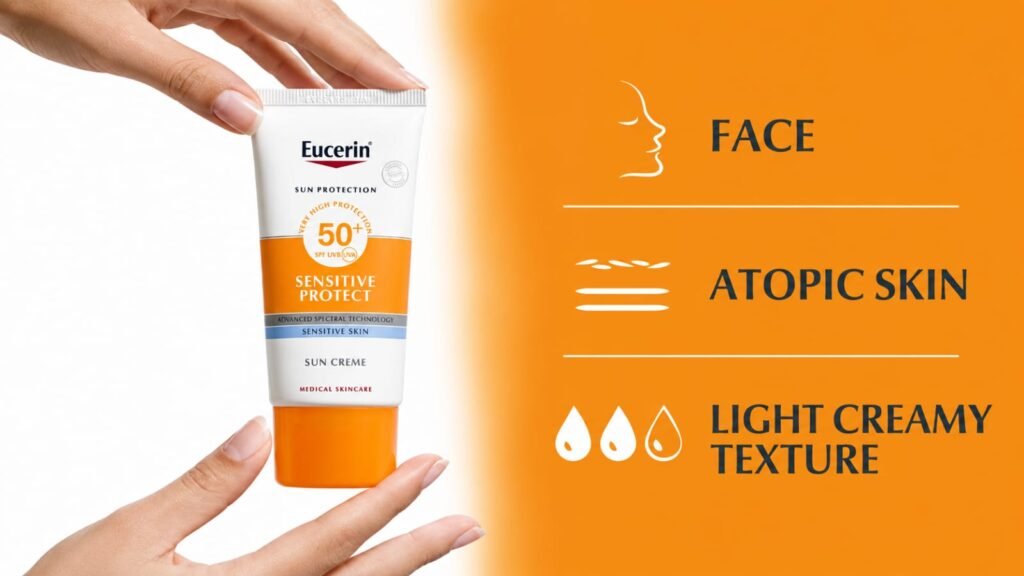
Frequently Asked Questions
What is the best sunscreen for sensitive skin?
A broad-spectrum sunscreen with SPF 30 or higher and a formulation that your skin tolerates well is a practical choice. Mineral sunscreen containing zinc oxide or titanium dioxide may be an option for people who prefer mineral filters.
Is mineral sunscreen better for sensitive skin?
Mineral sunscreen can be a suitable option for sunscreen for sensitive skin, but it is not automatically better for everyone. Individual skin tolerance and the complete formulation matter.
Can sunscreen cause skin irritation?
Yes. Some people can experience redness, burning, itching, or discomfort from particular sunscreen formulations. If a product repeatedly irritates your skin, stop using it and consider discussing the reaction with a dermatologist.
How to soothe irritated sensitive skin naturally?
The simplest approach is to avoid the suspected irritant, cleanse gently with lukewarm water, use a bland moisturizer that your skin tolerates, and protect irritated skin from excessive sun exposure. Avoid harsh scrubbing and strong active ingredients while the skin is uncomfortable.
How to soothe irritated sensitive skin quickly?
There is no guaranteed instant solution because the cause and severity of irritation can vary. Simplifying your skincare routine, avoiding the triggering product, moisturizing, and reducing sun exposure may help your skin become more comfortable.
Can I use SPF 50 on sensitive skin?
Yes, SPF 50 can be used on sensitive skin if the particular formulation is well tolerated. Choose a broad-spectrum product and follow its application and reapplication instructions.
Is fragrance-free sunscreen better for sensitive skin?
Fragrance-free sunscreen may be preferable for people whose skin reacts to fragrance. However, “fragrance-free” does not guarantee that a product will work for everyone with sensitive skin.
What sunscreen is best for sensitive and acne-prone skin?
Look for broad-spectrum SPF 30 or higher, non-comedogenic labeling, and ingredients that your skin already tolerates. A lightweight formula may be more comfortable, especially if heavy products tend to clog your pores.
Should sensitive skin wear sunscreen every day?
Regular sun protection is an important part of skincare when your skin is exposed to UV radiation. Choose a product that you can comfortably use consistently and combine it with shade, protective clothing, and other sun-protection measures.
Conclusion
Choosing the right sunscreen for sensitive skin is about more than simply selecting a high SPF. Look for broad-spectrum protection, a comfortable formulation, and ingredients that your skin tolerates. Mineral filters such as zinc oxide and titanium dioxide may be useful options, while fragrance-free and moisturizing formulas can be helpful for people who experience sensitivity.
It is equally important to understand how to soothe irritated sensitive skin. When irritation occurs, simplify your skincare routine, stop using the suspected trigger, cleanse gently, moisturize, and reduce unnecessary sun exposure. Avoid introducing several new products at the same time, and pay attention to how your skin responds.
With consistent sun protection and a gentle skincare routine, you can make daily UV protection a more comfortable part of your skincare habits. If irritation is severe, persistent, or repeatedly returns, a dermatologist can help determine the underlying cause and recommend appropriate care.