
SEO-Optimized Article | Focus Keyword: Hydrating Mask for Skin
A hydrating mask for skin is a popular skincare product that helps replenish moisture, improve skin softness, and maintain a healthy-looking complexion. If your skin feels dry, rough, dull, or tight, adding a hydrating face mask to your skincare routine may help improve its comfort and appearance.
Whether you have dry, oily, combination, or sensitive skin, choosing the right moisturizing face mask can make a difference in your skincare routine. It is also important to understand how to soothe irritated sensitive skin without using harsh products that may cause further irritation.
In this article, we will explore the benefits of hydrating masks, the best moisturizing ingredients, how to use them, and helpful skincare tips for different skin types.
What Is a Hydrating Mask for Skin?
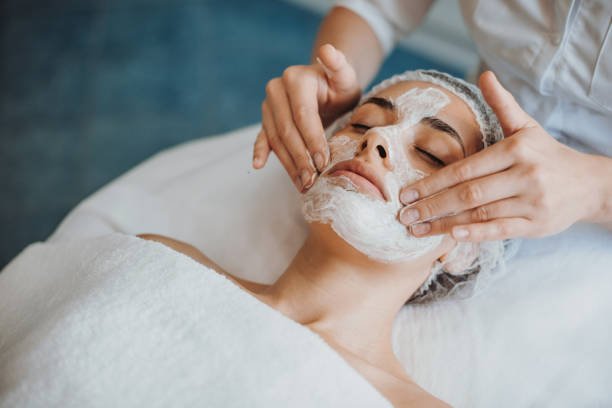
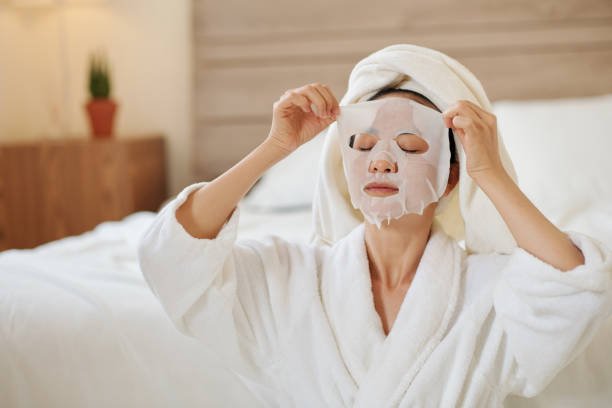
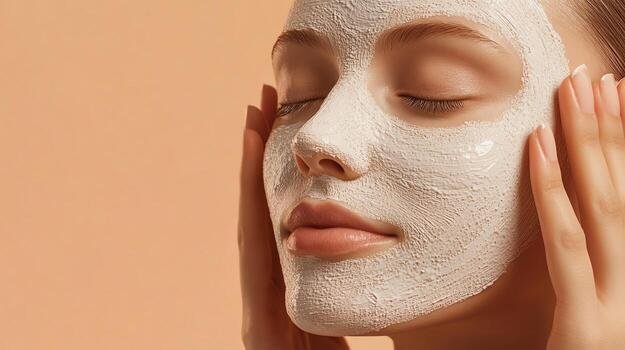
A hydrating mask for skin is a skincare product designed to increase moisture in the outer layers of the skin. It comes in different forms, including gel masks, cream masks, sheet masks, and overnight sleeping masks.
These masks often contain ingredients such as hyaluronic acid, glycerin, aloe vera, and ceramides that help hydrate the skin and improve its texture.
A hydrating face mask can be especially useful when your skin feels dehydrated because of weather changes, dry indoor air, or an unsuitable skincare routine. However, a face mask should complement your regular moisturizer rather than replace it completely.
Benefits of Using a Hydrating Mask for Skin
Using a hydrating mask for skin can offer several benefits, depending on its ingredients and your skin type.
1. Helps Restore Skin Moisture
One of the main benefits of a hydrating face mask is its ability to replenish moisture. Ingredients such as glycerin and hyaluronic acid attract water to the skin, helping it feel softer and less tight.
Regular hydration can also improve the appearance of dry, flaky skin and make your complexion look smoother.
2. Supports a Healthy Skin Barrier
The skin barrier helps protect your skin from environmental irritants and prevents excessive moisture loss. When this protective barrier becomes weakened, your skin may feel dry, uncomfortable, or sensitive.
A moisturizing face mask containing ceramides and other barrier-supporting ingredients can help maintain hydration and support the skin barrier.
3. Improves Skin Texture
Dehydrated skin may appear rough, dull, or uneven. A hydrating mask for skin can temporarily improve softness and make the skin feel smoother.
Keeping your skin moisturized may also help makeup apply more evenly and reduce the appearance of dry patches.
4. Provides a Refreshing Feeling
A lightweight gel mask or hydrating sheet mask can provide a refreshing sensation, especially when your skin feels dry after spending time in air-conditioned environments.
For sensitive skin, it is important to choose a gentle formula without irritating ingredients.
5. Helps Maintain a Healthy-Looking Glow
Well-moisturized skin often looks smoother and more radiant. A hydrating mask can temporarily improve the appearance of dullness caused by dehydration.
However, hydration does not permanently change your natural skin tone or guarantee the removal of dark spots.
Best Ingredients in a Hydrating Face Mask
Choosing the right ingredients is important when selecting a hydrating mask for skin. Different moisturizing ingredients work in different ways to support skin hydration.
Hyaluronic Acid
Hyaluronic acid is a humectant that attracts water to the skin’s surface. It is commonly found in hydrating face masks, serums, and moisturizers.
It helps the skin feel plump, smooth, and moisturized, making it a popular ingredient for dehydrated skin.
Aloe Vera
Aloe vera is commonly used in soothing skincare products. It can provide a cooling sensation and help skin feel comfortable.
However, aloe vera may irritate some people, so it is important to test new products before applying them to your entire face.
Ceramides
Ceramides are lipids that help maintain the skin’s protective barrier. They are particularly useful in skincare products designed for dry or sensitive skin.
A hydrating mask containing ceramides may help support moisture retention and improve skin comfort.
Glycerin
Glycerin is a moisturizing ingredient that attracts water and helps keep the skin hydrated.
It is commonly used in face masks, lotions, and creams because it helps soften the skin without necessarily leaving a heavy feeling.
Colloidal Oatmeal
Colloidal oatmeal is used in some skincare products to soothe dry and itchy skin. It may help improve comfort when dryness contributes to irritation.
It can be a useful ingredient to look for in products designed for sensitive skin, although individual reactions are possible.
How to Soothe Irritated Sensitive Skin
Understanding how to soothe irritated sensitive skin is important if your face frequently feels dry, itchy, tight, or uncomfortable.
Sensitive skin may react to fragrance, harsh cleansers, strong active ingredients, weather changes, or excessive exfoliation. A gentle skincare routine can help reduce unnecessary irritation.
1. Stop Using Products That Cause Irritation
If a skincare product causes burning, stinging, or unusual redness, stop using it. Temporarily avoid scrubs, exfoliating acids, retinoids, and other potentially irritating products until your skin feels comfortable.
Do not continue using a product simply because it is expensive or marketed for sensitive skin.
2. Use a Gentle Cleanser
Choose a mild, fragrance-free cleanser that does not leave your skin feeling tight or stripped.
Wash your face with lukewarm water and gently pat it dry with a clean towel. Avoid vigorous rubbing, which can increase discomfort.
3. Apply a Suitable Moisturizer
A gentle moisturizer helps reduce moisture loss and supports the skin barrier. Look for ingredients such as glycerin, ceramides, and petrolatum if your skin is dry.
A hydrating mask for skin can be an optional addition, but a regular moisturizer is often sufficient for everyday hydration.
4. Use a Cool Compress
If your skin feels warm or uncomfortable, apply a clean, cool, damp cloth to the affected area for a few minutes.
Avoid putting ice directly on your face because extreme cold can further irritate the skin.
5. Protect Your Skin From Sun Exposure
Sun exposure may worsen redness and discomfort. Use a broad-spectrum sunscreen with SPF 30 or higher that your skin tolerates.
Wearing a hat and seeking shade can also help protect sensitive skin from direct sunlight.
6. Keep Your Skincare Routine Simple
When learning how to soothe irritated sensitive skin, avoid introducing multiple new skincare products at once.
A simple routine consisting of a gentle cleanser, moisturizer, and sunscreen can help reduce exposure to potential irritants and make it easier to identify products that cause reactions.
If irritation is severe, persistent, painful, or accompanied by swelling or blisters, consult a healthcare professional or dermatologist.
How to Use a Hydrating Mask for Skin
Using a hydrating mask correctly can help you enjoy its moisturizing benefits while reducing the chance of irritation.
Step 1: Cleanse Your Face
Start by washing your face with a gentle cleanser and lukewarm water. Remove dirt, makeup, and excess oil without scrubbing your skin.
Step 2: Apply the Hydrating Mask
Apply an even layer of your chosen hydrating face mask according to the product instructions. Avoid the eyes and lips unless the product is specifically designed for those areas.
Step 3: Follow the Recommended Time
Leave the mask on only for the time recommended on its packaging. Keeping a mask on for longer does not necessarily provide additional benefits.
Step 4: Rinse or Remove the Mask
If you are using a wash-off mask, rinse it gently with lukewarm water. For sheet masks, follow the directions provided by the manufacturer.
Step 5: Apply Moisturizer
Finish your skincare routine with a suitable moisturizer to help maintain hydration and reduce moisture loss.
For sensitive skin, it is wise to patch-test a new product before using it on your entire face.
Hydrating Mask for Different Skin Types
The best hydrating mask for skin depends on your skin type and its specific needs.
| Skin Type | Suitable Hydrating Mask |
|---|---|
| Dry skin | Cream mask with ceramides and moisturizing ingredients |
| Oily skin | Lightweight gel mask with non-comedogenic ingredients |
| Combination skin | Lightweight hydration that suits different facial areas |
| Sensitive skin | Fragrance-free mask with a gentle formula |
| Dehydrated skin | Mask containing humectants such as glycerin or hyaluronic acid |
Remember that oily skin can also be dehydrated. Oiliness refers to sebum production, while dehydration refers to a lack of water in the skin.
Common Mistakes to Avoid When Using a Hydrating Mask
Even a moisturizing product may cause problems if it is unsuitable for your skin or used incorrectly.
- Using a face mask too frequently: Follow the product instructions instead of assuming daily use is always better.
- Ignoring fragrance: Fragrance and certain essential oils may trigger irritation in sensitive skin.
- Leaving the mask on for too long: Longer application does not guarantee better hydration.
- Combining too many active ingredients: Strong skincare products used together may increase irritation.
- Skipping regular moisturizer: Some masks provide temporary hydration but do not replace everyday moisturizing.
- Ignoring persistent skin irritation: Ongoing redness, itching, or burning may require professional advice.
Are DIY Hydrating Face Masks Safe?
Homemade face masks made with ingredients such as honey, yogurt, or aloe vera are sometimes used as part of natural skincare routines. However, natural ingredients are not automatically safe for every skin type.
Homemade mixtures can cause allergic reactions or irritation, and they are not formulated or tested in the same way as commercial skincare products.
If you have sensitive skin, consider using a properly formulated, fragrance-free hydrating mask or moisturizer. Avoid applying lemon juice, baking soda, or harsh homemade exfoliating mixtures to your face.
Frequently Asked Questions (FAQs)
1. What is the best hydrating mask for skin?
The best hydrating mask for skin depends on your skin type and concerns. Look for ingredients such as glycerin, hyaluronic acid, and ceramides. If you have sensitive skin, choose a gentle, fragrance-free formula.
2. How often should I use a hydrating face mask?
The recommended frequency depends on the product and your skin’s tolerance. Some masks can be used several times a week, while others are intended for occasional use. Always follow the manufacturer’s instructions.
3. Can a hydrating mask help soothe irritated sensitive skin?
A gentle hydrating mask may help relieve dryness and tightness. However, it cannot treat every cause of skin irritation. Stop using the mask if it causes burning, itching, or increased redness.
4. Is a hydrating mask suitable for oily skin?
Yes. Oily skin can also lack moisture. A lightweight, non-comedogenic gel mask may help hydrate the skin without leaving a heavy or greasy feeling.
5. Can I use a hydrating mask overnight?
Only use a mask overnight if it is specifically designed as a sleeping mask. Follow its instructions and do not leave a regular wash-off mask on while sleeping.
6. What is the difference between dry skin and dehydrated skin?
Dry skin generally refers to a skin type that produces less oil, while dehydrated skin lacks sufficient water. Both may feel tight or appear flaky, and both can benefit from an appropriate moisturizing routine.
7. Should I apply moisturizer after a hydrating face mask?
Yes, in many cases. Applying a suitable moisturizer after using a hydrating face mask can help maintain hydration and reduce moisture loss. Follow the specific instructions for your product.
8. How to soothe irritated sensitive skin naturally?
Use lukewarm water, avoid known irritants, apply a cool compress if needed, and use a gentle fragrance-free moisturizer. Seek professional advice if irritation persists or becomes severe.
9. Can I use a hydrating mask every day?
Some products may be suitable for frequent use, but not all hydrating masks are designed for daily application. Check the product instructions and pay attention to how your skin responds.
Conclusion
A hydrating mask for skin can be a helpful addition to your skincare routine when your skin feels dry, rough, tight, or dehydrated. Ingredients such as hyaluronic acid, glycerin, ceramides, and colloidal oatmeal can help support skin hydration and comfort.
If you want to learn how to soothe irritated sensitive skin, focus on gentle cleansing, fragrance-free moisturizing, sun protection, and avoiding products that trigger irritation.
Choose a hydrating face mask that suits your skin type, follow its instructions, and maintain a simple, consistent skincare routine. With appropriate skincare and regular hydration, you can help maintain softer, smoother, and healthier-looking skin.


1 Comment
[…] Regular sun protection is an important part of skincare when your skin is exposed to UV radiation. Choose a product that you can comfortably use consistently and combine it with shade, protective clothing, and other sun-protection measures. […]