
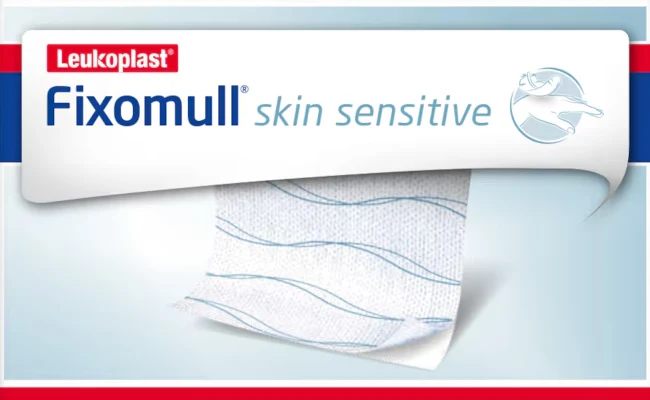
Medical tape for sensitive skin is designed to secure dressings, gauze, tubing, and other medical materials while reducing unnecessary irritation during application and removal. People with delicate, dry, fragile, or easily irritated skin may experience redness, itching, or discomfort from certain adhesives, making the choice of tape especially important.
Different medical tapes use different adhesive technologies, and research suggests that some silicone-based medical tapes can be gentler on the skin barrier than certain acrylate-based tapes.
What Is Medical Tape for Sensitive Skin?
Medical tape for sensitive skin is generally formulated with a gentle adhesive and a flexible or breathable backing. It may be useful for people who need frequent dressing changes or who find conventional medical adhesives uncomfortable.
Common options include:
- Hypoallergenic medical tape
- Silicone medical tape
- Gentle paper tape
- Micropore surgical tape
- Low-trauma adhesive tape
- Latex-free medical tape
- Soft cloth medical tape
However, the term “hypoallergenic” does not guarantee that everyone will tolerate a product. Some people can develop allergic or irritant contact dermatitis from adhesives or other materials.
Why Choose Gentle Medical Tape?
Regular adhesive tape can sometimes pull on the outer layer of the skin during removal. This may cause discomfort, redness, or skin stripping, particularly when the skin is already fragile.
A clinical comparison found that silicone adhesive tapes caused less disruption to the skin barrier and removed fewer skin cells than the acrylate tapes tested.
This can make gentle adhesive tape an option worth considering when skin protection is a priority.
Types of Medical Tape for Sensitive Skin
1. Silicone Medical Tape
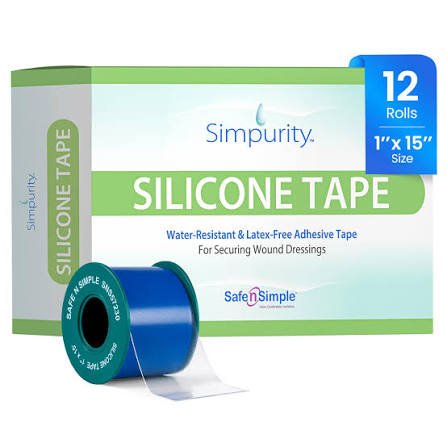
Silicone medical tape is often considered when gentle removal is important. Research comparing silicone and paper tape found silicone tape produced less skin disruption and lower pain during removal in the study population.
It may be particularly useful when tape needs to be removed and reapplied repeatedly.
2. Paper Medical Tape
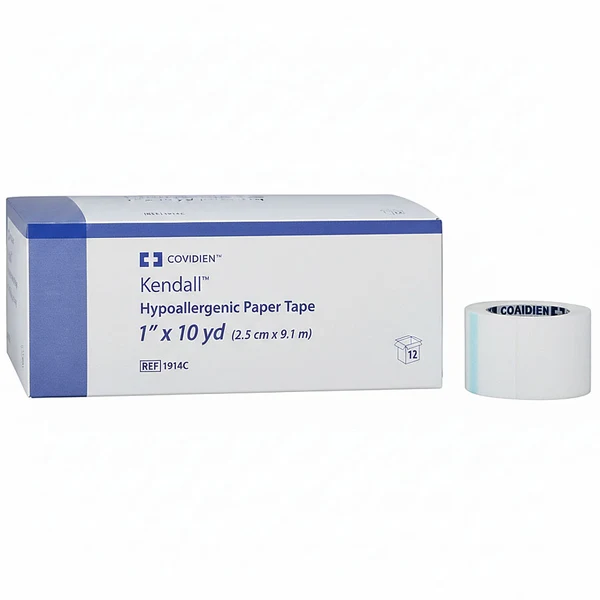
Paper medical tape is lightweight and commonly used for securing gauze and dressings. Some products are designed specifically for sensitive skin and frequent dressing changes.
3. Hypoallergenic Surgical Tape
Hypoallergenic surgical tape is formulated to reduce the likelihood of irritation, although individual reactions can still occur. Checking the product’s adhesive ingredients and following the manufacturer’s instructions is important.
4. Latex-Free Medical Tape
For people who need to avoid natural rubber latex, latex-free medical tape may be a suitable option. Always check the product packaging rather than assuming that every sensitive-skin tape is latex-free.
How to Choose Medical Tape for Sensitive Skin
When selecting medical tape for delicate skin, consider these factors:
- Adhesive type: Silicone adhesives may be gentler in some applications.
- Skin condition: Fragile, dry, irritated, or damaged skin may need extra care.
- Frequency of removal: Choose a tape designed for gentle removal if dressings need frequent changes.
- Breathability: A suitable backing can help improve comfort.
- Latex content: Choose latex-free products if latex avoidance is required.
- Level of adhesion: Stronger is not always better; excessive adhesion can increase skin trauma.
- Intended use: Follow the manufacturer’s instructions for wounds, dressings, tubing, or other applications.
How to Apply Medical Tape Safely
Before applying medical tape, make sure the skin is clean and dry unless your healthcare professional has given different instructions.
Apply the tape without unnecessarily stretching or pulling the skin. When removing it, do so slowly and gently, supporting the skin where appropriate.
If you notice persistent burning, itching, swelling, blisters, or a worsening rash, stop using the product and seek medical advice. Contact dermatitis can cause symptoms such as itching, redness, swelling, burning, tenderness, and blisters.
Medical Tape and Contact Dermatitis
Some people can develop contact dermatitis from medical adhesives. Contact dermatitis occurs when something touching the skin causes irritation or an allergic reaction.
If you repeatedly develop a rash where adhesive products are applied, a dermatologist can help determine the possible cause. In some cases, patch testing may be recommended to identify an allergy.
LSI Keywords for Medical Tape for Sensitive Skin
For SEO purposes, naturally include related terms such as:
- medical tape for sensitive skin
- sensitive skin medical tape
- hypoallergenic medical tape
- gentle medical tape
- silicone medical tape
- paper medical tape
- surgical tape for sensitive skin
- medical adhesive tape
- skin-friendly medical tape
- low-trauma medical tape
- latex-free medical tape
- gentle adhesive tape
- medical tape for fragile skin
- breathable medical tape
- skin-safe adhesive tape
Frequently Asked Questions
Is medical tape safe for sensitive skin?
Many products are specifically designed for sensitive or fragile skin, but no adhesive is suitable for everyone. Check the product specifications and monitor your skin for irritation.
What type of medical tape is best for sensitive skin?
There is no single best tape for everyone. Silicone-based and gentle paper tapes are commonly considered when minimizing skin trauma is important. Research has found silicone tapes can be less disruptive to the skin barrier than some other adhesive types.
Can medical tape cause a rash?
Yes. Medical adhesives can sometimes cause irritant or allergic contact dermatitis, which may result in itching, redness, burning, swelling, or blisters.
Is hypoallergenic tape completely allergy-free?
No. Hypoallergenic generally means the product is designed to have a lower likelihood of causing allergic reactions; it does not mean an allergy is impossible.
How do you remove medical tape from sensitive skin?
Remove it slowly and gently rather than pulling it off quickly. If the skin is very fragile or you repeatedly experience injury from adhesives, ask a healthcare professional about an appropriate dressing and removal technique.
Can I use medical tape on irritated or broken skin?
Not every medical tape is appropriate for damaged skin. Follow the product instructions and seek professional advice if the skin is open, severely irritated, blistered, or infected.
Conclusion
Choosing the right medical tape for sensitive skin can help improve comfort and reduce unnecessary skin trauma during dressing changes. Silicone medical tape, gentle paper tape, hypoallergenic options, and latex-free products may be useful depending on the individual’s needs. Since sensitive skin can react differently to adhesives, always consider the tape’s adhesive type, intended use, and your own skin response. If you develop a persistent rash or allergic reaction, consult a dermatologist or healthcare professional.


1 Comment
[…] Dry skin around eye area can result from simple moisture loss or from irritation, allergies, eczema, and other skin conditions. Since the skin around the eyes is particularly delicate, a simple routine focused on gentle cleansing, adequate moisturization, and avoiding potential irritants can help maintain a healthy eye-area skin barrier. If symptoms persist or become severe, professional evaluation is the safest approach. […]